
Forks and Spears for Load and Lift — Durable Design
Durable pallet forks, bale spears and specialty tines are engineered to deliver repeatable handling and secure loads across jobsites or farms. Easy-adjust brackets and quick-attach compatibility ensure smooth switching between pallet forks and bale spears without loss of rated capacity. Built for rugged use, these tools support heavy lifting cycles while maintaining structural integrity and safety. Whether moving pallets, bales or specialty materials, the right fork or spear attachment upgrades your machine’s versatility.
Showing all 11 results



Forks & Spears — Visibility, Balance, and Rock-Solid Control
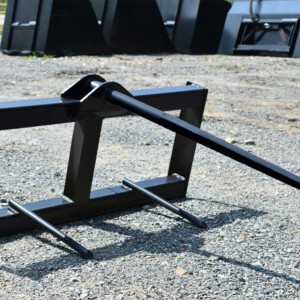
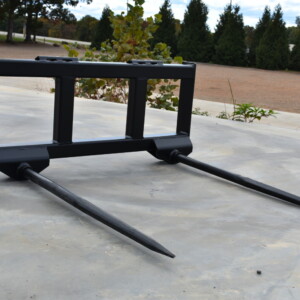
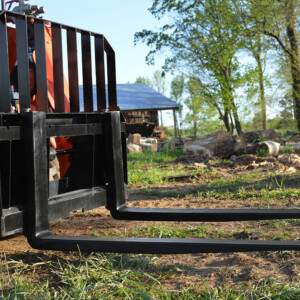
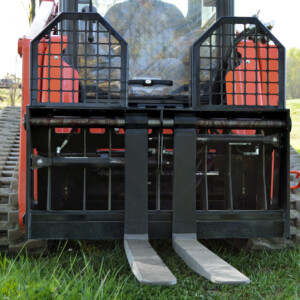
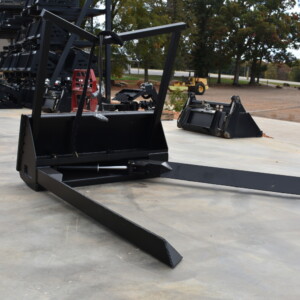
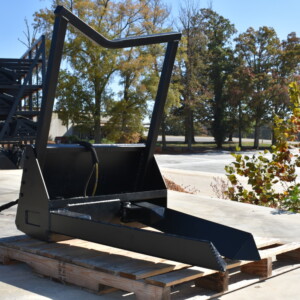
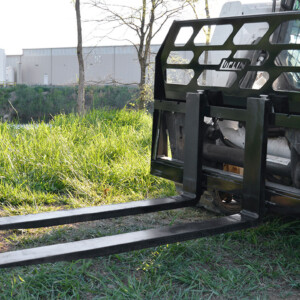
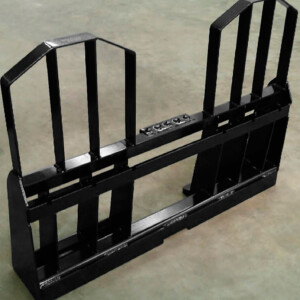
Move more, see more, and stay planted. Our pallet forks and frames deliver OEM-level stability with adjustable forged tines, HD backplates, and walk-through options for fast on/off. Hay spears and double bottom hay spears sets are available for operators who demand in-cab handling of the heaviest bales with a heavy duty reinforced frame.
Spec Highlights
- Forged tines rated for the real world, not brochure fiction
- Open sight-lines for precise fork placement
- Lock-in tine bars to prevent drift under shock loads
Use-Case Wins
- Job-site material handling • pallets • lumber • pipe
- Farm & landscape yards • mulch • stone • hay bales
- Warehouse & staging • speed + safety
Pro Tip: Choose tine lengths for load centers you actually run—shorter for maneuverability; longer (48–60") for bulky materials and trailers.
FAQs
Do the forks fit any skid steer/tractor with SSQA?
Yes—universal quick-attach. For tractors with SSQA loaders, they pin right in.
Walk-through vs standard frame—what’s better?
Walk-through frames speed entry/exit and improve sight-lines for frequent on/off workflows.
Are hydraulic forks worth it?
If you change widths often or handle mixed loads daily, hydraulic forks pay for themselves in saved time and precision.
Fork ratings?
Measured per pair at a 24" load center. Don’t exceed machine limits—your loader’s rating is the cap.
When should I choose a double bottom hay spear?
Double Bottom Hay Spears are ideal when you need extra penetration resistance and stability for heavy bales or repeated impalement at higher lift heights. They reduce spear flex and make stacking large round or square bales safer and more secure than single-tine spears.
Which Loflin hay spear should I pick for mixed-use farms?
For mixed-use farms, a versatile option like the Loflin Compact Tractor Hay Spear or Loflin Double Bottom Hay Spear provides a balance of capacity and durability. Double-bottom spears are preferable if you handle heavier or wet bales often.
What maintenance keeps hay spears performing?
Inspect the spear tines and mounting frames regularly for cracks, bends, or loosened hardware. Grease the spear sleeve or mount points if applicable, and store the spear upright or on racks to prevent rust and tine distortion. Replace damaged or bent spears immediately to ensure safety and stability.
What is a hay spear used for?
A hay spear — also called a bale spear or bale spike — is designed to lift, move, and stack round or square hay bales. It penetrates the bale’s center to balance weight securely for feeding, storage, or transport with tractors or skid steers.
What size hay spear do I need?
Match spear length and tine thickness to your bale size and tractor capacity. 30–42" spears are common for round bales, while shorter 24–30" models suit small square bales. For heavy or wet bales, choose thicker forged tines with higher rated capacities.
How do I safely lift hay bales with a hay spear?
Center the spear in the bale’s core, drive in fully, and tilt the load slightly back for balance. Keep bales low while moving, avoid sharp turns, and raise only as high as needed when stacking. Check spear mounts and hardware before each use to prevent accidents.
Maintenance?
Grease pivots, check locking bars, keep tines square. Replace bent tines—don’t “cold bend” back into shape.
Will these fit compact tractors?
Yes—if your loader uses SSQA. If not, ask about adapter plates.