
Adapters and Parts for Attachment Compatibility
Precision adapters, hitches and mounting parts are engineered to bridge various coupler patterns and maintain rated capacities across your attachment fleet. These components ensure interoperability between machines and attachments, reducing downtime and simplifying change-outs. High-quality adapter parts support secure mounting, stable operation and minimal play, which protects both machine and implement. Invest in genuine adapters and parts to uphold performance, safety and long-term value across your attachments.
Showing all 4 results
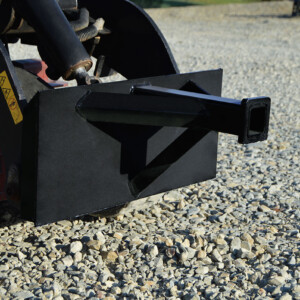
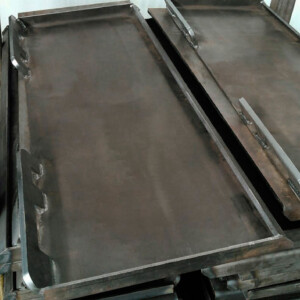

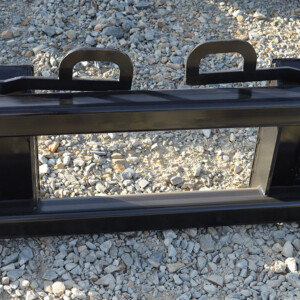
Adapters & Parts — Make Every Attachment Fit, Tow, and Work Like It Was Built For Your Machine
One machine. Endless capability. Our Adapters & Parts category turns tractors, mini skid steers, and loaders into true multi-tool platforms. Whether you need a Mini Skid Steer Reese Hitch Adapter for towing small trailers, a Quick Attach Plate to convert proprietary mounts, a Trailer Hitch Adapter for heavier tongues, or a Universal Adapter for oddball rigs — these parts bridge differences in pin spacing, receiver sizes, and mounting systems so you can attach, tow, and trust.
Why adapters matter
Too often the limiting factor on a jobsite is not the machine — it’s connection geometry. Instead of buying a second machine or custom fabrication, choose a precision-made adapter that maintains rated capacities, keeps ground clearance predictable, and preserves quick-attach convenience. Our adapters are engineered to minimize load shifts, avoid unnecessary leverage on frames, and maintain factory safety margins.
Built for reliability
- High-strength, heat-treated steel • CNC-cut mounting faces for precise fit
- Full-penetration welds in critical stress zones and gusset reinforcement
- Black powder coat or e-coat finishes for corrosion resistance
- Standardized fasteners & safety pins • captive hardware where practical
Spec and compatibility notes
- Rated capacity stamped on every adapter — always verify against your machine’s rated lift/tow.
- Receiver vs. tongue sizing — adapters are sized to common receiver classes (Class I–V) or skid-steer quick-attach patterns; we provide dimensional drawings for easy verification.
- Electrical & brake harness routing — trailer wiring and electric braking require separate harness adapters and safe routing away from moving parts.
Use-case wins
- Mini Skid Steer Reese Hitch Adapter — tow utility trailers, landscape trailers, and water tanks from compact equipment without permanent frame mods.
- Quick Attach Plate — convert proprietary couplers to universal patterns so buckets, forks, and specialty tools swap in seconds.
- Trailer Hitch Adapter — step between receiver classes and maintain correct ball height & clearance for safe towing.
- Universal Adapter — solves one-off fit issues: custom pins, odd spacing, and legacy machines come back to life.
Pro Tip: Always confirm the adapter’s stamped rated capacity and the machine’s lift/tow ratings. An adapter does not increase a machine’s structural limits — it only transfers loads. When in doubt, choose the higher-rated component or consult the OEM’s lift/towing guidance.
FAQs
Will a Mini Skid Steer Reese Hitch Adapter fit my machine?
Most Mini Skid Skid Reese Hitch Adapters are made to bolt into common quick-attach patterns or OEM mounting plates. Check the adapter's mounting dimensions against your machine (pin spacing, plate height, and coupler depth). We provide dimensional drawings for every adapter — match those to your plate before ordering.
How do I know the towing capacity when using an adapter?
Towing capacity is limited by the lowest-rated component in the system: your machine’s rated hitch/tow capacity, the adapter’s stamped capacity, the trailer tongue weight, and the vehicle/trailer braking system. Always use the lowest published rating as your working limit and factor in a safety margin for dynamic loads.
Are quick attach plates universal across brands?
A true universal Quick Attach Plate conforms to the SSQA (Skid Steer Quick Attach) or manufacturer-standard patterns (Bobcat, John Deere, Kubota, etc.). Many modern plates are built to universal dimensions, but some OEM and legacy systems deviate — verify the pattern (upper/lower bar spacing and thickness) before assuming fitment.
Do adapters change machine stability or tipping loads?
Adapters can alter leverage and center of gravity slightly, especially if they extend load further forward or lower. This does not change the manufacturer's rated tipping load for the loader/tractor — but it can affect operational stability. Keep loads low while traveling and avoid exceeding rated lift heights.
What hardware comes with an adapter—pins, clips, or bolts?
Most adapters include the required safety pins and retaining clips. Heavy-duty adapters often use high-strength Grade 8 bolts or forged pins; some specialty units ship with captive hardware pre-installed. Check the product listing for included fasteners and torque specs.
Can I add trailer wiring and electric brakes to a mini skid steer?
Yes — but trailer electricals should be routed and mounted away from lift arms and heat sources. Use a purpose-built harness with a weatherproof connector and a breakaway/emergency system if required. Electric brakes also require a controller and possibly a gauge or battery — consult local towing regulations and a licensed mechanic for brake system installs.
How do Reese hitch adapters differ from standard ball hitches?
A Reese-style adapter generally refers to a receiver-based towing solution that accepts a removable ball mount or pintle. It offers more flexibility (swap balls or hooks) compared to a fixed ball. Choose based on whether you need quick changes between trailer types or a heavy-duty pintle-style interface.
Are universal adapters safe for heavy-duty work?
High-quality universal adapters are safe when they are correctly rated, installed, and used within capacity limits. Safety depends on matched ratings, proper pin retention, and avoiding side loads that stress the adapter. Our universal adapters carry weld and material certifications and stamped capacity ratings.
How do I measure to order the correct adapter?
Measure (1) mounting plate length and height, (2) upper and lower bar spacing for quick attach patterns, (3) receiver size (inches) and wall thickness, and (4) required drop or rise for ball height. Compare these dimensions to the product drawing — we recommend printing a scale drawing and physically test-fitting if possible.
Do adapters require periodic inspection or maintenance?
Yes — inspect welds, fasteners, pins, and the receiver interface regularly. Grease any pivot or lock locations per the manufacturer schedule, check powder-coat for chips that expose bare steel, and replace bent or cracked hardware immediately. Maintain torque on bolted joints and ensure safety chains or secondary restraints are in good condition.
Can I legally tow trailers on public roads with a mini skid steer and adapter?
Regulations vary by state and country. Many jurisdictions have restrictions on towing speeds, lighting/brake requirements, and hitch types for non-standard tow vehicles. Check local DOT rules before towing on public roads — use lighting, proper registration, and brakes as required.
What are common retrofit options for older machines?
Retrofits often include a custom adapter plate to match modern SSQA patterns, a receiver-mounted Reese hitch, or a pinned mount that preserves original OEM geometry. We offer retrofit kits with dimension guides and optional machining services for bolt-hole alignment.